
Are You at Risk for Periodontal Disease? Symptoms and Preventions
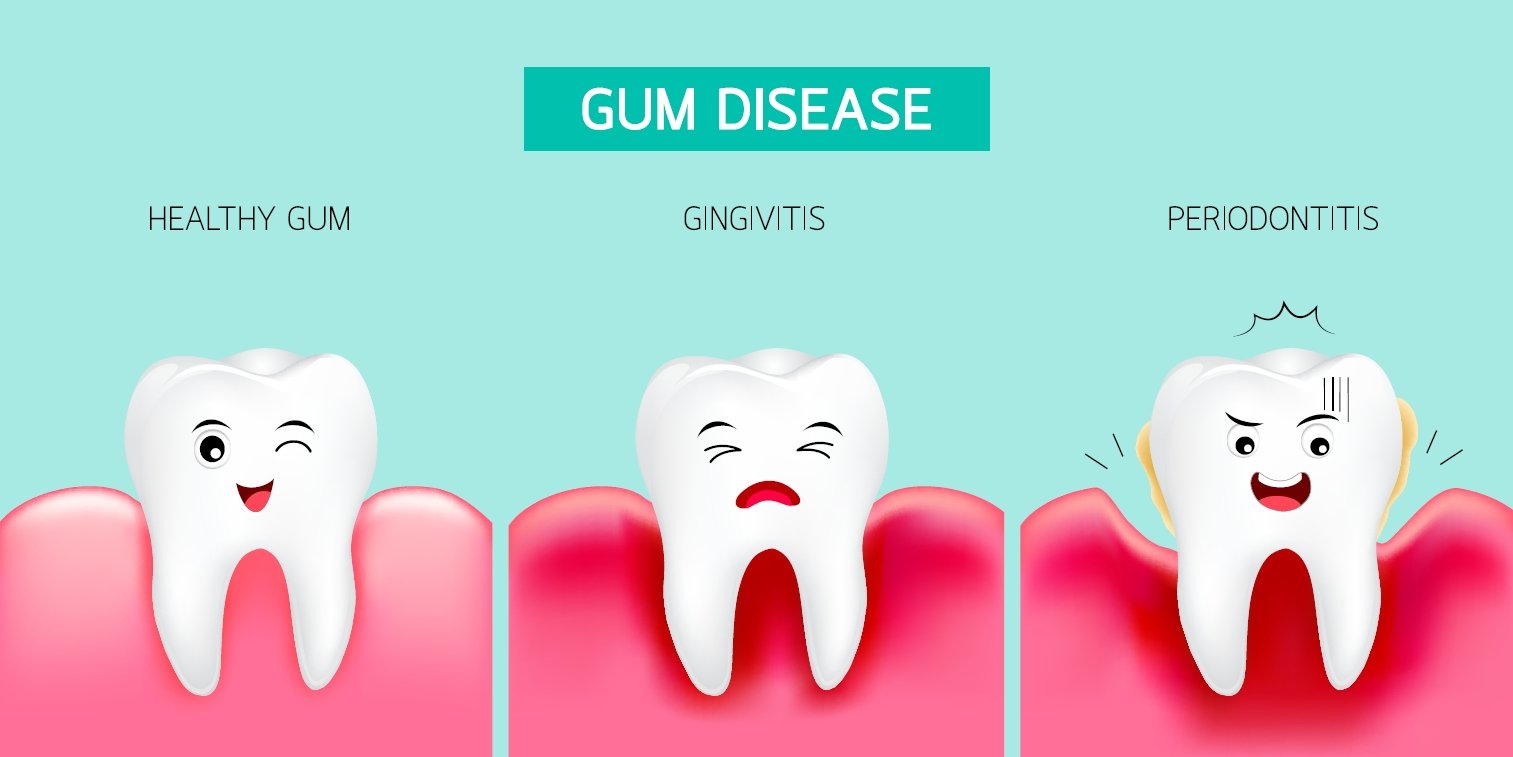
As many as 30% of all adults may be at risk of developing periodontal disease. If left untreated, periodontitis can lead to tooth loss or in more extreme cases, systemic health issues including heart disease.
Periodontal signs include
· Bleeding that lasts more than 1- 2 weeks
· Gums that appear red and shiny, or pull away from teeth
· Teeth that feel loose or sensitive near the gums
Brushing twice daily is must, but a toothbrush can only remove about 60% oral plaque. A solid periodontal care routine focuses on daily plaque control, gentle brushing technique and consistency. Here is a preventative guide to a daily regimen to help prevent gingivitis and periodontitis.
Daily Periodontal Care Routine
Morning
1. Brush (2 minutes)
· Use a soft-bristled or electric toothbrush
· Hold at a 45º degree able toward the gum line
· Small, gentle circular motion (don’t scrub)
· Use a fluoride toothpaste (or stannous fluoride if you’re prone to gum inflammation
2. Clean Between Teeth
· Dental floss for tight contacts
· Interdental brushes if spaces are wider or gums have receded
· Slide gently below the gum line in “C” shape
Midday
· Rinse with water after meals
· Chew sugar-free gum to stimulate salvia
· Avoid brushing immediately after acidic foods (wait approximately 30 minutes)
Evening
1. Brush (2 minutes)
· Same gentle gum focused technique
· Take extra time along the gum line and back molars
2. Interdental Cleaning/flossing
· This is the most important step for gum health
3. Therapeutic Rinse-Choose Based on needs
· Alcohol-free antimicrobial rinse for gingivitis
· Saltwater rinse (1/2 tsp of salt in warm water) if gums are irritated
Weekly/Long-Term Habits
· Replace toothbrush/head every 3 months or sooner if frayed
· Professional cleanings every 6 months (or 3-4 months if you have gum disease)
· Monitor for bleeding when brushing or flossing, bad breath or gum recession.
Lifestyle choices such as a good diet, vitamins C & D, hydration and stress management help protect your gums keeping them healthy. Coupled with daily oral hygiene and visits to your family dentist, you will be taking preventative measures to avoid periodontal disease.
Plainsboro Dental Care offers quality dental care in a relaxed gentle approach for your family - Call 609-799-4422 to schedule your appointment today.