
Is Your Bite Changing as You Age? Understanding Bite Pressure and Your Oral Health
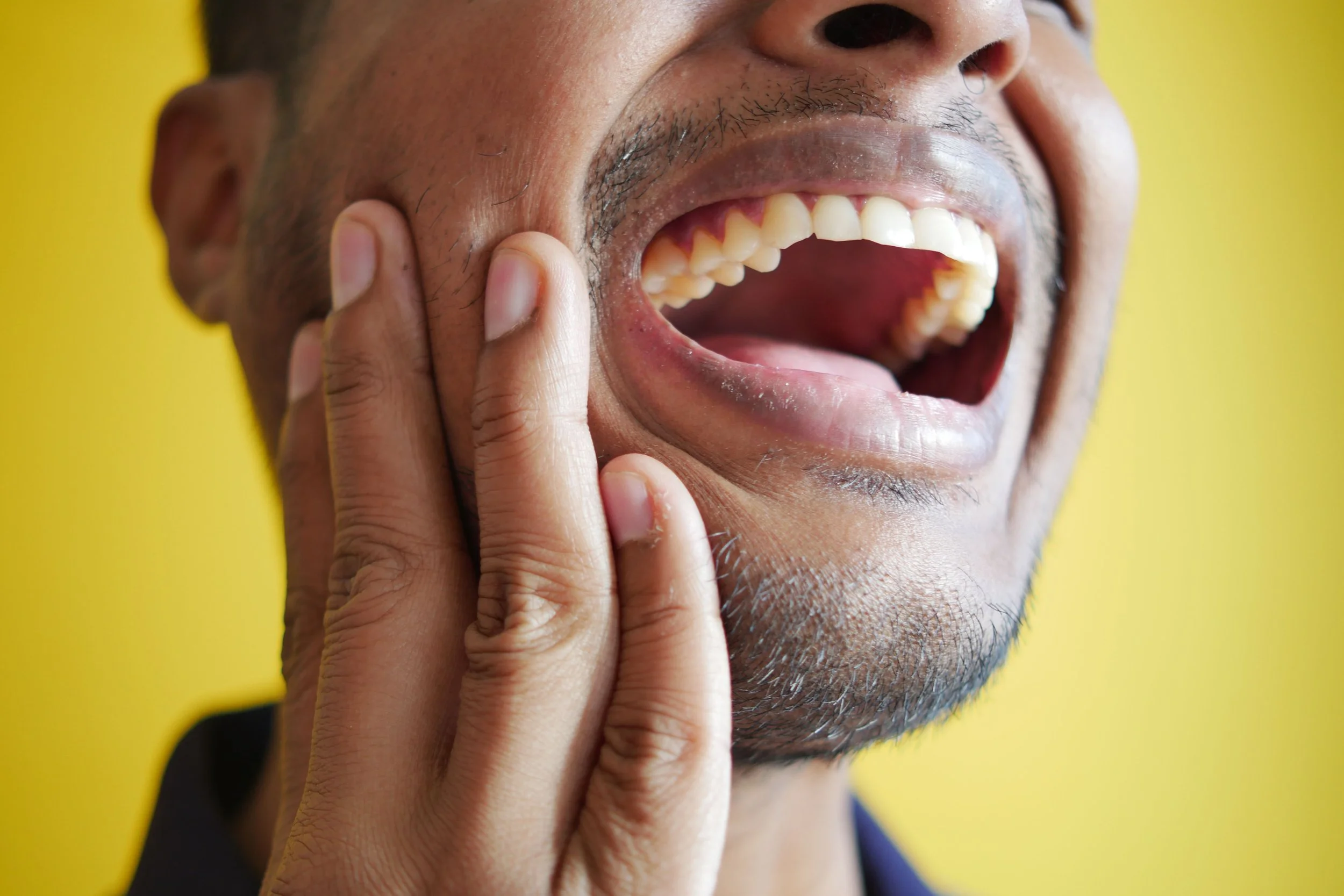
As we get older, changes in our teeth, gums, jaw, and facial muscles can affect the way our teeth come together. You may notice that your bite feels different, certain teeth seem to hit sooner than others, or chewing no longer feels quite the same.
These changes can be subtle, but they may have an impact on your oral health. Understanding bite pressure and how your bite can change over time can help you recognize potential problems and seek treatment before they become more serious.
What Is Your Bite?
Your "bite," also called your occlusion, refers to the way your upper and lower teeth come together when you close your mouth. A healthy bite allows you to chew comfortably while distributing the forces of chewing across your teeth and supporting structures.
When the pressure from your bite is distributed unevenly, certain teeth may experience more stress than others. Over time, excessive or concentrated bite pressure can contribute to tooth wear, sensitivity, cracks, or other dental problems.
Why Can Your Bite Change With Age?
Your bite isn't necessarily permanent. Several factors can gradually change the way your teeth come together.
Natural Tooth Wear
Years of chewing can naturally wear down tooth surfaces. Tooth enamel is extremely strong, but it can gradually become worn over time. Changes in tooth shape can affect how your upper and lower teeth contact one another.
Missing or Damaged Teeth
A missing tooth can change the way neighboring and opposing teeth function. Nearby teeth may shift into the available space, potentially altering your bite. Similarly, a cracked, broken, or severely worn tooth may change the way pressure is distributed when you chew.
Dental Restorations
Crowns, bridges, fillings, and other restorations are designed to restore the function and structure of your teeth. However, if a restoration changes the contact between teeth, you may notice that your bite feels different. A dental professional can evaluate your bite and determine whether an adjustment is appropriate.
Gum and Bone Changes
Gum disease can affect the tissues and bone that support your teeth. As the supporting structures around teeth change, teeth may become loose or shift position, potentially affecting your bite.
Teeth Grinding and Clenching
Many people clench or grind their teeth, sometimes without realizing it. This can occur during the day or while sleeping. Repeated clenching and grinding can place substantial forces on teeth and may contribute to flattened tooth surfaces, cracks, sensitivity, jaw discomfort, or other symptoms.
What Does Excessive Bite Pressure Feel Like?
Changes in bite pressure aren't always painful. However, there are several signs that may indicate your bite deserves professional attention.
You may notice:
● One tooth seems to hit before the others.
● Your teeth feel uncomfortable when biting down.
● Increased tooth sensitivity.
● Chipped, cracked, or worn teeth.
● Flattened or shortened tooth surfaces.
● Jaw soreness or fatigue.
● Frequent headaches or facial muscle discomfort.
● Increased tooth mobility.
● Difficulty chewing comfortably.
● A change in the way your teeth fit together.
A change in your bite doesn't automatically mean that something is wrong. However, persistent or noticeable changes are worth discussing with your dentist.
Can Bite Pressure Damage Your Teeth?
Teeth are designed to withstand the forces of everyday chewing. Problems can occur when excessive forces are repeatedly concentrated on individual teeth.
Over time, excessive bite forces may contribute to:
Tooth Wear: Repeated friction and pressure can gradually wear down tooth surfaces.
Cracks and Fractures: Teeth that experience excessive stress may be more susceptible to cracks, particularly when other risk factors are present.
Sensitivity: Worn enamel or exposed areas of a tooth can make it more sensitive to hot, cold, or sweet foods and beverages.
Restoration Problems: Excessive forces can place additional stress on fillings, crowns, bridges, and other dental restorations.
Jaw Discomfort: Clenching and grinding can place additional strain on the muscles and joints involved in chewing.
When Should You See Your Dentist?
A change in your bite is worth discussing with your dentist if it is persistent, uncomfortable, or accompanied by other symptoms.
Make an appointment if you notice new tooth sensitivity, pain when biting, a cracked or chipped tooth, increased tooth mobility, jaw discomfort, or a noticeable change in how your teeth fit together.
Early evaluation can help identify the cause and determine whether treatment is necessary.
Plainsboro Dental Care is a full-serviced dental practice, call today to schedule an appointment, 609-799-4422.
Your Bite Is Part of Your Overall Oral Health!